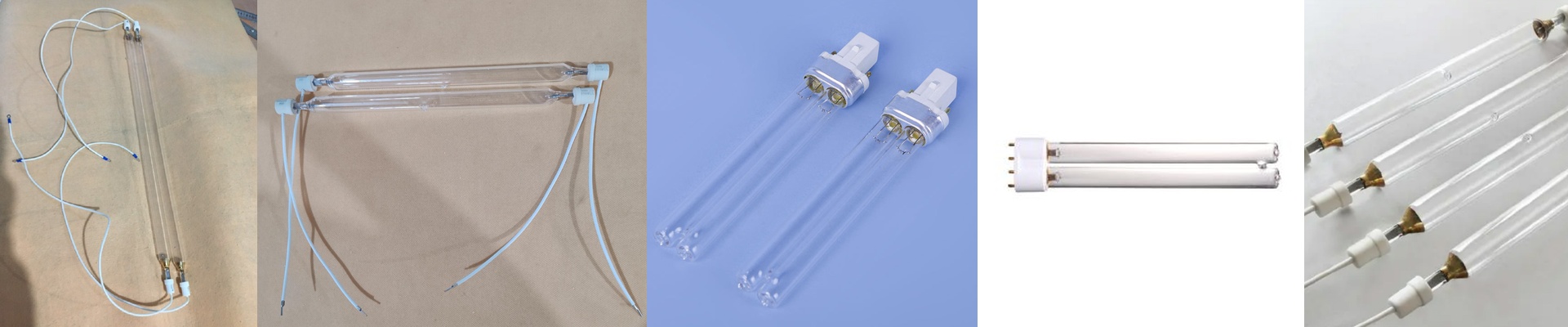
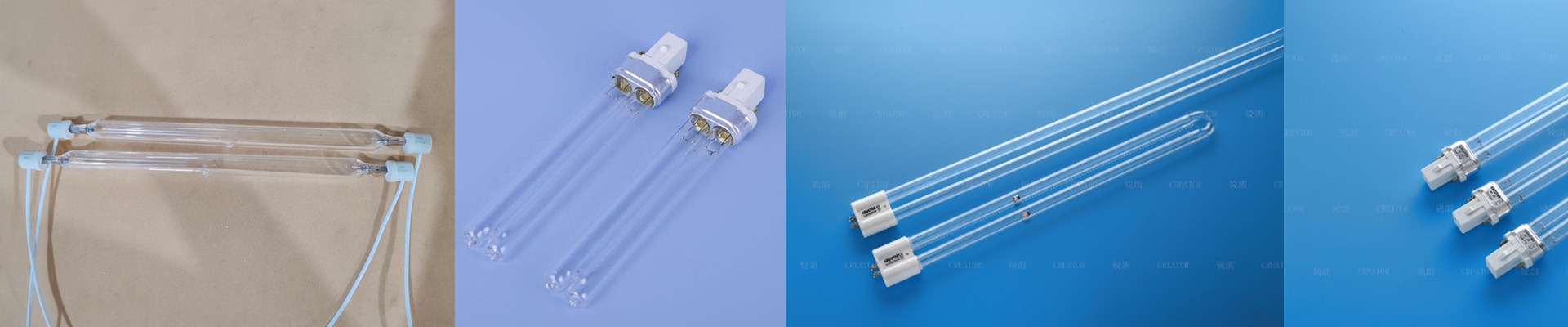
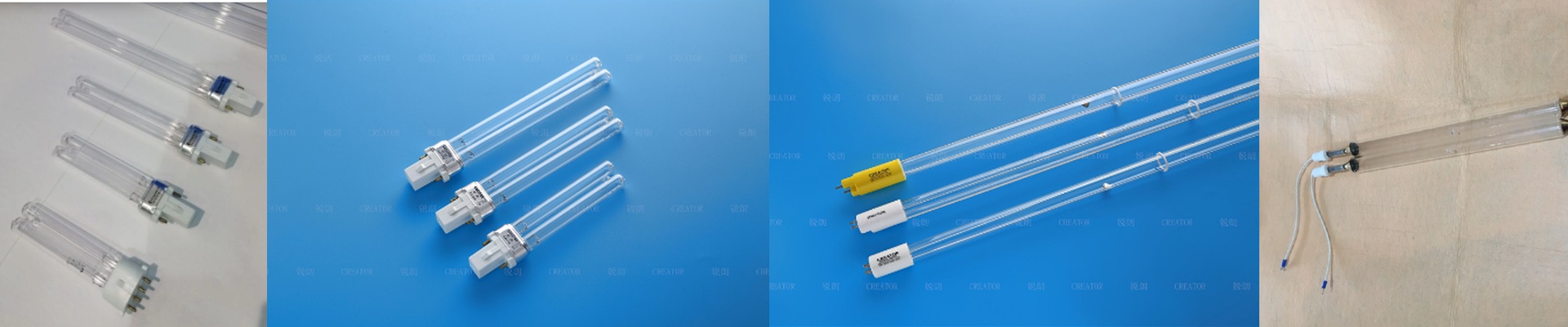
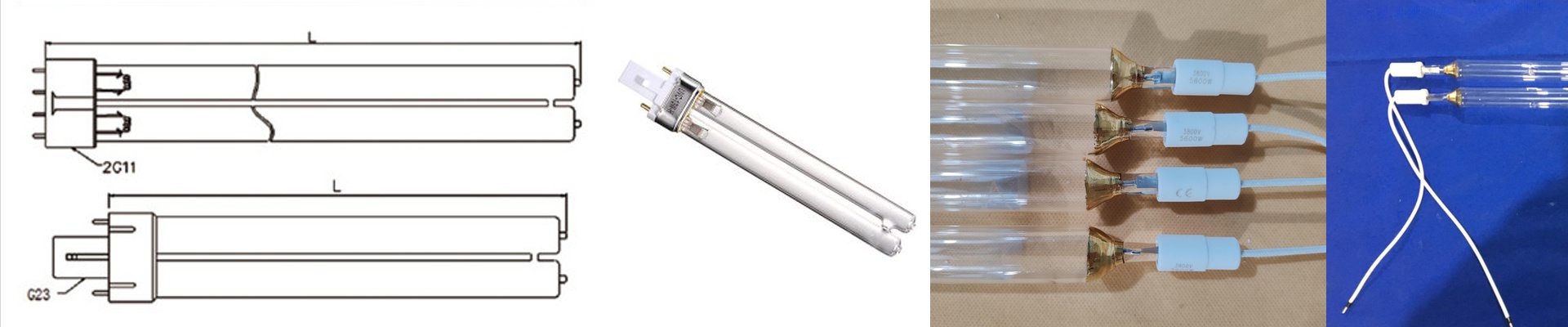
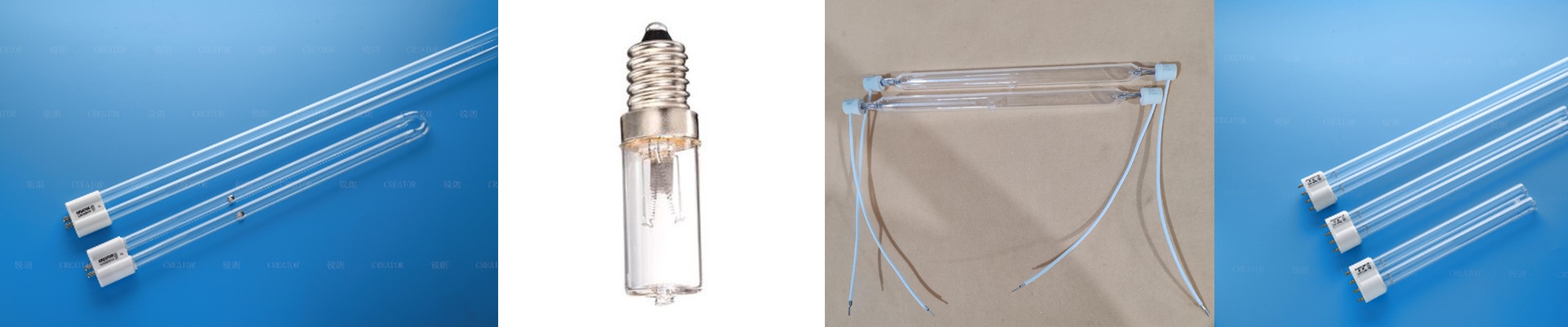

Lab photoreactors live and die on how tightly you control the photon flux hitting the chamber. In semiconductor lithography work, photoresist activation needs clean, repeatable spectral energy. Broadband sources? They introduce variance that wrecks repeatability. The fix is a custom UV lamp built around spectral integrity. What matters under the hood We spec the lamp to deliver a tightly controlled spectral output, locked on the 365nm mercury line with an FWHM under 10nm. That narrow bandwidth cuts out out-of-band radiation that can trigger side reactions or degrade the photoinitiator. Peak irradiance stays above 250 mW/cm² at the target plane, giving you enough photon density for fast cross-linking and consistent feature development. The system pairs a dichroic-coated quartz envelope with a high-reflectance elliptical reflector, pushing optical efficiency past 85%. In practice, that means more energy density per exposure cycle, right where you need it. Why this works in the lab Lab work collapses without reproducibility. A spectrally pure UV source ensures every photoresist batch gets the same photon energy, so you don’t chase data drift caused by spectral contamination from conventional lamps. That precision shortens development cycles because results repeat immediately—no recalibration required. And the output curve stays stable, holding energy density within ±2% over the lamp’s service life. That reliability matters when a lithography run stretches out. The practical details Installation comes down to optical alignment. Match the lamp to the reactor’s focal plane precisely—throw off the alignment by even 1mm and you can lose over 15% irradiance at the target. The lamp runs at a specific arc length and voltage. It’s ozone-free, but the reflector assembly needs active cooling to prevent thermal drift in the spectral output. Before you commit, we confirm compatibility against your photoreactor’s port geometry and cooling interface.
פוטוריאקטורים למעבדה תלויים בדיוק שליטה על פליטת הפוטונים הפוגעת בתא. בעבודות ליתוגרפיה לסמי-מוליכים, הפעלת הפוטורזיסט דורשת אנרגיית ספקטרום נקייה וחוזרת על עצמה. מקורות רוחב פס? הם יוצרים שונות שפוגעת בחזרתיות. הפתרון הוא מנורה אולטרה סגולה מותאמת אישית שמבוססת על שלמות ספקטרלית. מה שחשוב מתחת למכסה המנוע מגדירים את המנורה לספק פלט ספקטרלי מבוקר היטב, נעול על קו הכספית ב-365nm עם רוחב חצי-גובה (FWHM) של פחות מ-10nm. רוחב פס צר זה חוסם קרינה מחוץ לטווח שיכולה לגרום לתגובות צדדיות או לפגוע במתחיל הפוטו. עוצמת הקרינה השיא נשארת מעל 250 mW/cm² במישור היעד, ומספקת צפיפות פוטונים מספקת לקישור צולב מהיר ופיתוח מאפיינים עקבי. המערכת משלבת מעטפת קוורץ מצופה דיכרואית עם רפלקטור אליפטי בעל החזר גבוה, ודוחפת את היעילות האופטית מעבר ל-85%. בפועל, זה אומר צפיפות אנרגיה גבוהה יותר לכל מחזור חשיפה, בדיוק במקום הנדרש. מדוע זה עובד במעבדה עבודת מעבדה קורסת בלי חזרתיות. מקור UV ספקטרלי טהור מבטיח שכל קבוצת פוטורזיסט תקבל את אותה אנרגיית הפוטון, כך שלא תצטרכו לרדוף אחרי סטיות בנתונים שנגרמות מזיהום ספקטרלי במנורות רגילות. הדיוק הזה מקצר מחזורי פיתוח כי התוצאות חוזרות מיד – ללא צורך בכיול מחודש. ועקומת הפלט נשארת יציבה, ושומרת על צפיפות אנרגיה בטווח של ±2% לאורך חיי השירות של המנורה. אמינות זו חשובה כשמריצים ליתוגרפיה ממושכת. הפרטים המעשים ההתקנה מתמקדת בכיול אופטימלי. יש להתאים את המנורה למישור המוקד של הריאקטור במדויק – סטייה של אפילו 1mm יכולה לגרום לאובדן של מעל 15% בעוצמת הקרינה במטרה. המנורה פועלת באורך קשת ומתח מסוימים. היא נטולת אוזון, אך אסופת הרפלקטור דורשת קירור פעיל למניעת סטייה תרמית בפלט הספקטרלי. לפני ההתחייבות, מאשרים תאימות מול גאומטריית הפורט והמערכת קירור של הפוטוריאקטור שלכם.