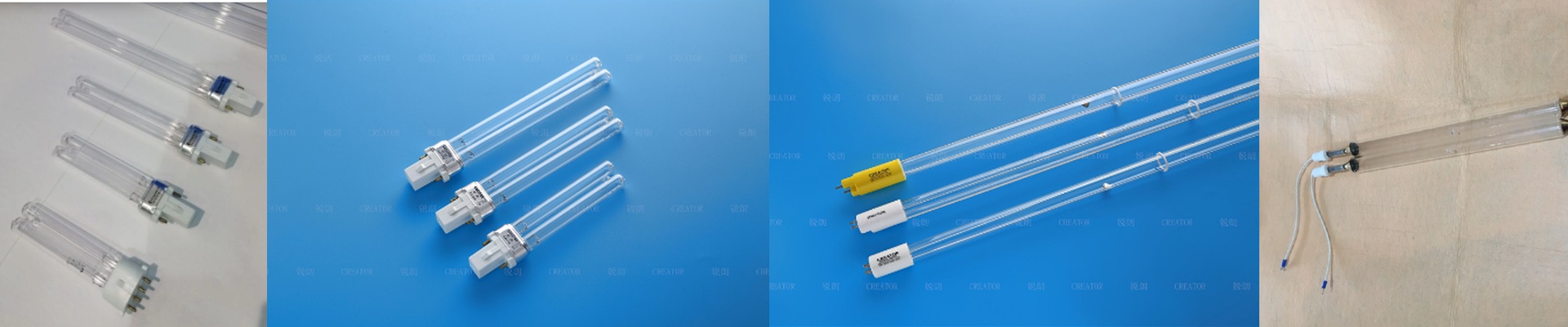
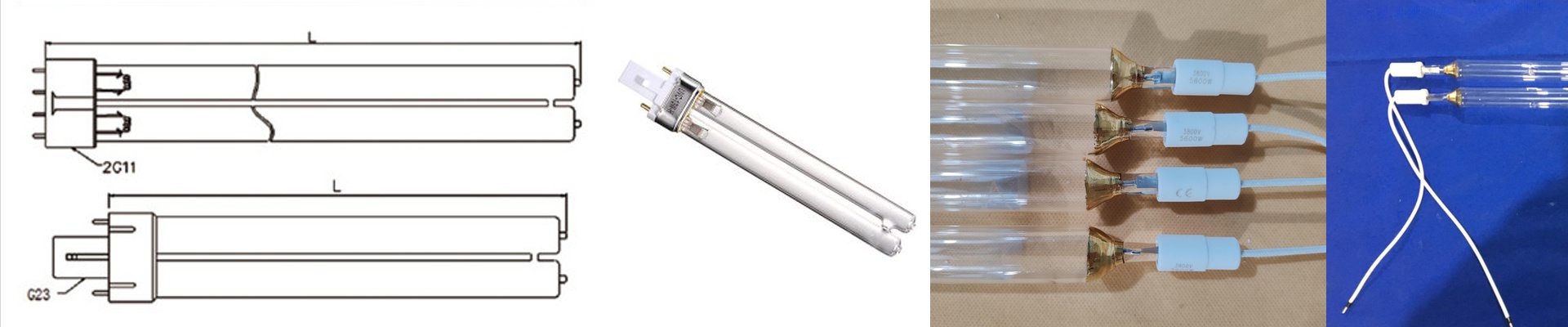
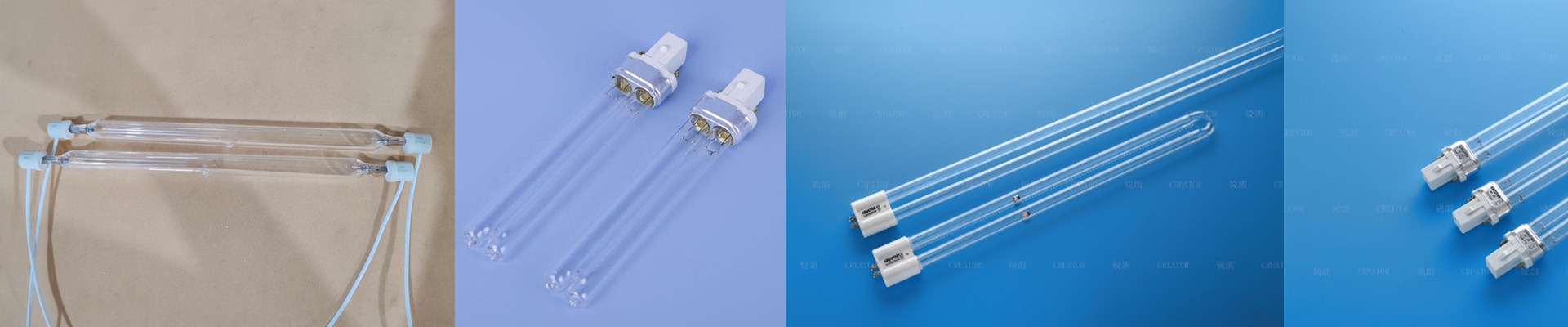
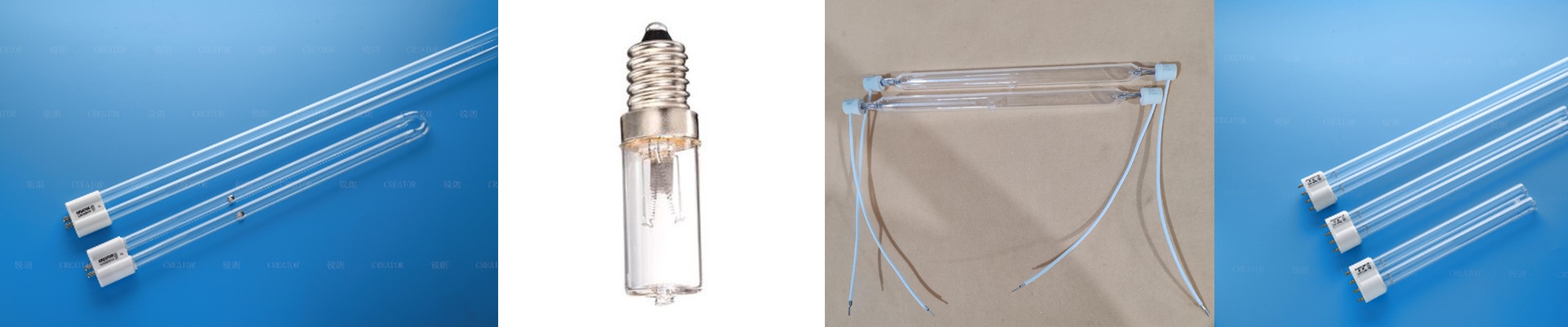
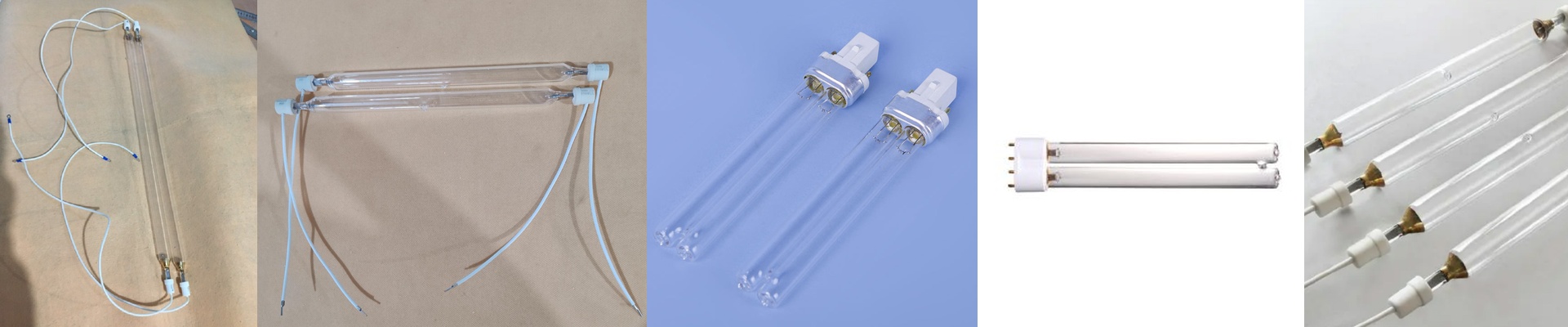

Lab photoreactors live and die on how tightly you control the photon flux hitting the chamber. In semiconductor lithography work, photoresist activation needs clean, repeatable spectral energy. Broadband sources? They introduce variance that wrecks repeatability. The fix is a custom UV lamp built around spectral integrity. What matters under the hood We spec the lamp to deliver a tightly controlled spectral output, locked on the 365nm mercury line with an FWHM under 10nm. That narrow bandwidth cuts out out-of-band radiation that can trigger side reactions or degrade the photoinitiator. Peak irradiance stays above 250 mW/cm² at the target plane, giving you enough photon density for fast cross-linking and consistent feature development. The system pairs a dichroic-coated quartz envelope with a high-reflectance elliptical reflector, pushing optical efficiency past 85%. In practice, that means more energy density per exposure cycle, right where you need it. Why this works in the lab Lab work collapses without reproducibility. A spectrally pure UV source ensures every photoresist batch gets the same photon energy, so you don’t chase data drift caused by spectral contamination from conventional lamps. That precision shortens development cycles because results repeat immediately—no recalibration required. And the output curve stays stable, holding energy density within ±2% over the lamp’s service life. That reliability matters when a lithography run stretches out. The practical details Installation comes down to optical alignment. Match the lamp to the reactor’s focal plane precisely—throw off the alignment by even 1mm and you can lose over 15% irradiance at the target. The lamp runs at a specific arc length and voltage. It’s ozone-free, but the reflector assembly needs active cooling to prevent thermal drift in the spectral output. Before you commit, we confirm compatibility against your photoreactor’s port geometry and cooling interface.
رآکتورهای فتو آزمایشگاهی به شدت وابسته به کنترل دقیق شار فوتون برخوردکننده به محفظه هستند. در کارهای لیتوگرافی نیمههادی، فعالسازی فوتورزیست نیازمند انرژی طیفی پاک و قابل تکرار است. منابع پهنباند؟ آنها باعث ایجاد نوسانهایی میشوند که قابلیت تکرار را از بین میبرند. راهحل استفاده از لامپ UV سفارشی است که حول یکپارچگی طیفی طراحی شده است.
موارد مهم زیر کاپوت
ما مشخصات لامپ را بهگونهای تعیین میکنیم که خروجی طیفی کاملاً کنترلشدهای ارائه دهد، قفل شده روی خط جیوه 365nm با عرض نیمهقدرت (FWHM) کمتر از 10nm. این پهنای باند باریک، تابش خارج از باند را حذف میکند که میتواند واکنشهای جانبی را تحریک کند یا فتواستارتور را تخریب نماید. شدت تابش اوج در صفحه هدف بالای 250 mW/cm² باقی میماند که چگالی فوتون کافی برای پیوند متقاطع سریع و توسعه ویژگیهای یکنواخت فراهم میکند.
سیستم شامل یک محفظه کوارتز با پوشش دیکروئیک و بازتابنده بیضوی با بازتاب بالا است که کارایی نوری را به بیش از 85% میرساند. در عمل، این یعنی چگالی انرژی بیشتر در هر سیکل تابش، دقیقاً در جایی که نیاز دارید.
چرا این در آزمایشگاه کار میکند
کارهای آزمایشگاهی بدون قابلیت تکرار فرو میپاشند. منبع UV با طیف خالص تضمین میکند که هر دسته فوتورزیست انرژی فوتون یکسانی دریافت کند، بنابراین نیازی نیست دادههای انحرافی ناشی از آلودگی طیفی منابع معمولی را دنبال کنید. این دقت چرخههای توسعه را کوتاه میکند چون نتایج فوراً تکرار میشوند—بدون نیاز به کالیبراسیون مجدد.
و منحنی خروجی پایدار میماند و چگالی انرژی را در طول عمر کاری لامپ در محدوده ±2% حفظ میکند. این قابلیت اطمینان زمانی اهمیت دارد که یک دوره لیتوگرافی طولانی میشود.
جزئیات عملی
نصب به تنظیم نوری بستگی دارد. لامپ را دقیقاً با صفحه کانونی رآکتور تطبیق دهید—اختلاف حتی 1mm در تراز باعث کاهش بیش از 15% شدت تابش در هدف میشود. لامپ با طول قوس و ولتاژ مشخص کار میکند. عاری از اوزون است، اما مجموعه بازتابنده نیاز به خنککاری فعال دارد تا از انحراف حرارتی در خروجی طیفی جلوگیری شود.
قبل از نهایی شدن، تطابق با هندسه پورت رآکتور و رابط خنککاری شما تأیید میشود.