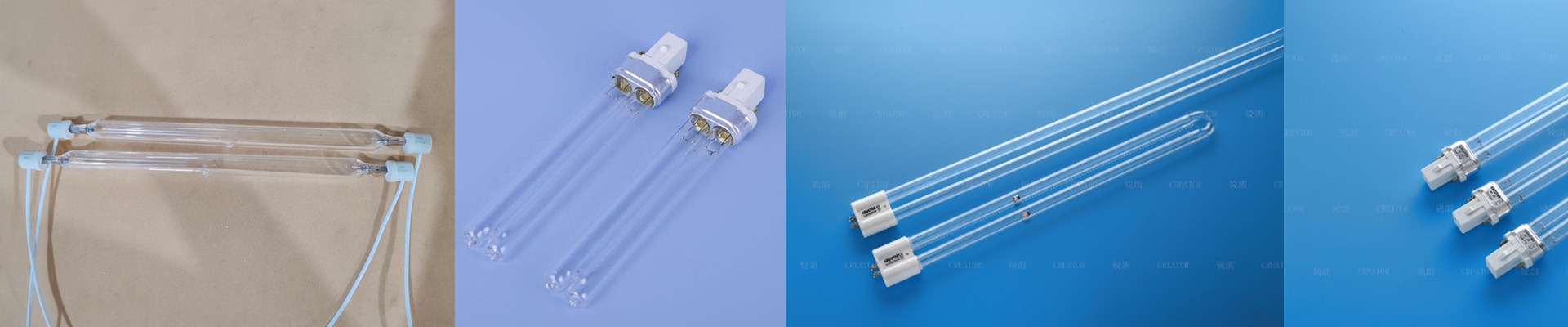
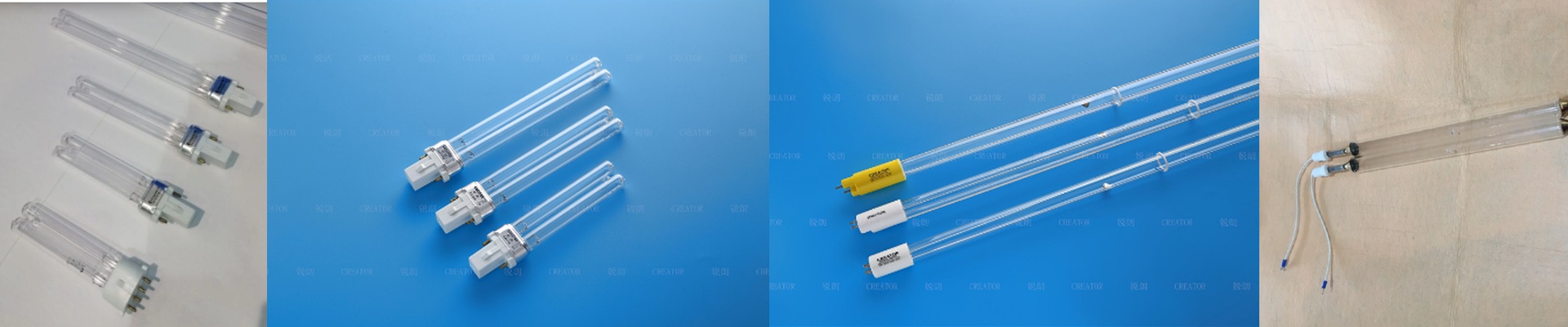
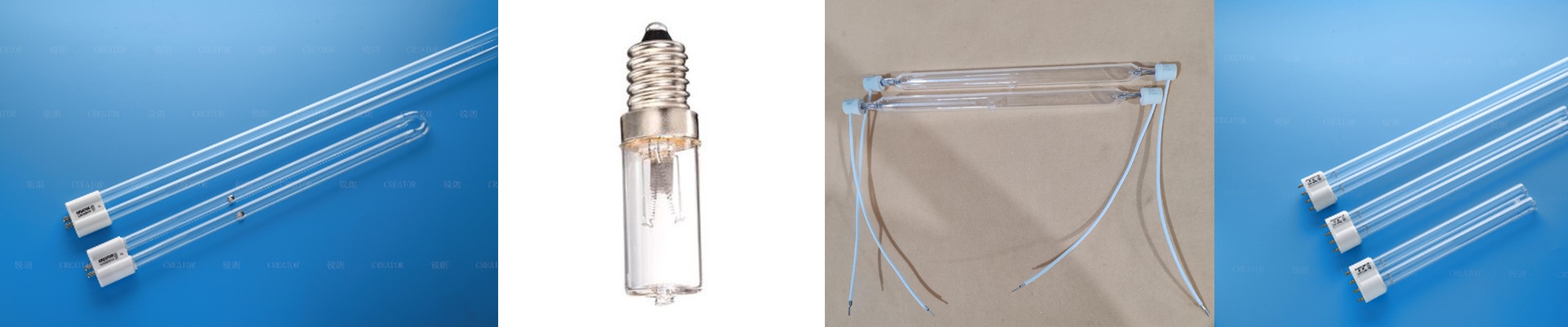
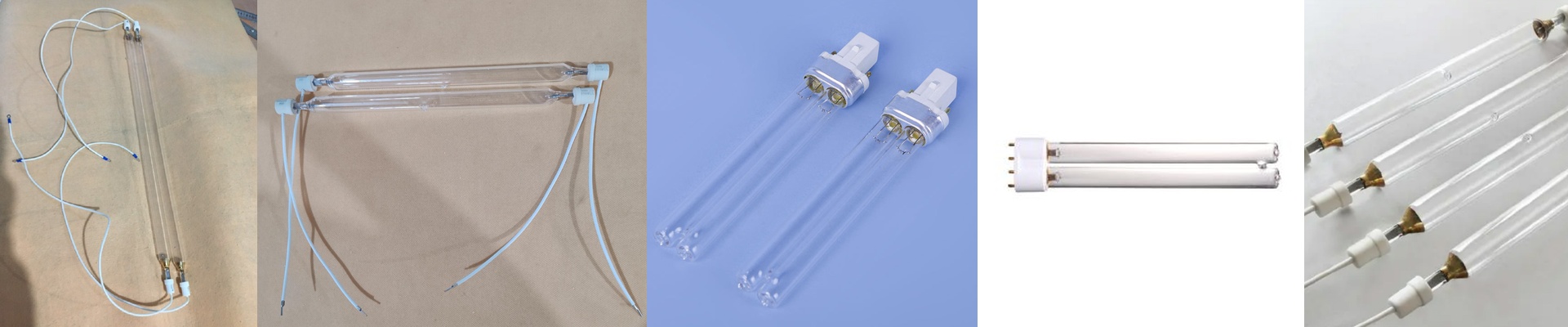
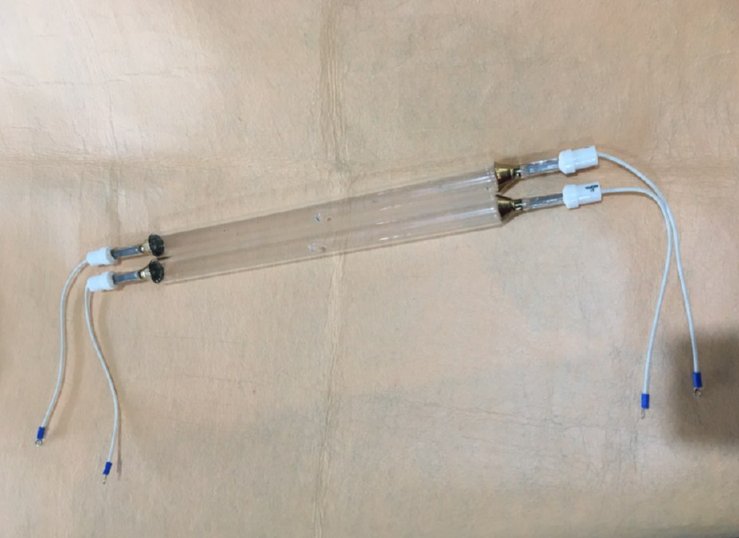
Top streetwear printers stick with custom mercury vapor UV systems for a simple reason: color saturation and stability can’t be negotiated on the floor. If the spectral profile is off, pigments go flat, ink stays tacky, and you end up idling the line while you chase acceptable density.
What matters, technically
Mercury vapor lamps give you broad-spectrum output that hits photoinitiators across multiple wavelengths—strong peaks around 365 nm, plus solid energy near 313 nm and 436 nm. That breadth is what drives complete cross-linking through thick ink films, which is exactly what gives you dense, saturated color and color that stays honest.
Pair the lamp with a dichroic-coated reflector to shape the spectral envelope and boost peak irradiance at the arc length that matches your print gap. And measure performance in mJ/cm² and W/cm², not some arbitrary lamp rating. Keep the dose profile stable across the web, and you avoid mottle and cure-induced dot gain.
Why this setup earns its keep
High-end fashion graphics live and die on crisp halftones and deep, uniform color. Mercury vapor systems cure thicker ink laydowns without surface skinning that traps solvents or monomers, so the pigment layer cures through and the hue reads true.
On offset, match arc length and reflector geometry to the cylinder and blanket. On flexo, pick lamps that deliver enough dose at high line speeds without cooking the plate. On screen, make sure you get penetration through the stencil so the buildup doesn’t cure only on top. The payoff is repeatable color, faster changeovers, and fewer rejects.
The details you can’t gloss over
Mercury vapor lamps need the right ballast and a controlled warm-up to settle into stable output. As the lamp ages, output drops—so verify the spectrum and replace lamps based on accumulated energy, not a calendar date.
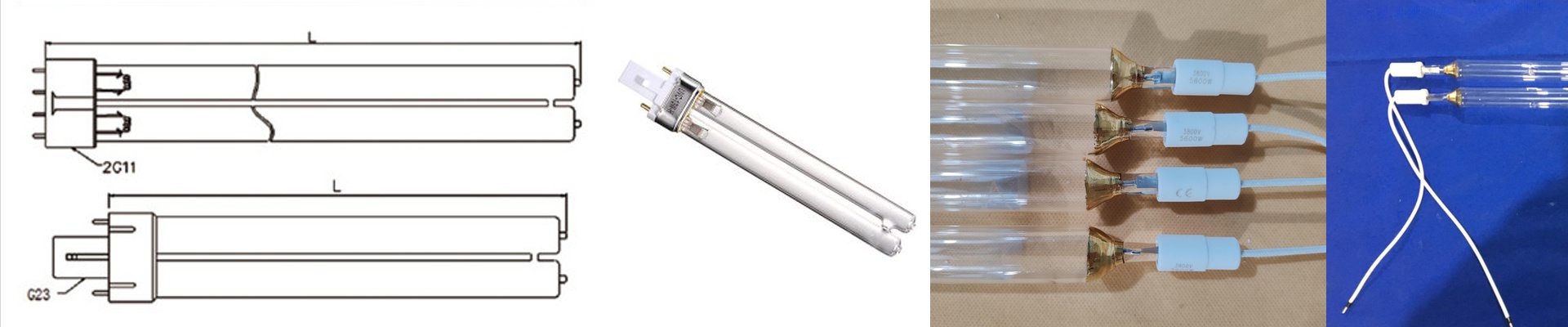
These systems run hot, so cooling and keeping the reflector clean aren’t optional. And before you spec anything, confirm dimensions and connector type against your press. Retrofit kits can make integration easier, but the alignment tolerances are tight.
چاپگرهای مطرح پوشاک خیابانی از سیستمهای UV بخار جیوه سفارشی استفاده میکنند به یک دلیل ساده: اشباع رنگ و پایداری آن در محیط تولید قابل مذاکره نیست. اگر مشخصات طیفی به درستی تنظیم نشده باشد، رنگدانهها بیروح میشوند، جوهر چسبناک باقی میماند و در نتیجه خط تولید متوقف میشود تا به چگالی قابل قبول برسند.
موارد فنی مهم
لامپهای بخار جیوه خروجی طیف گستردهای ارائه میدهند که فتواینیسیاتورها را در طول موجهای متعدد تحریک میکند—پیکهای قوی در حدود ۳۶۵ nm، و همچنین انرژی مناسب در نزدیکی ۳۱۳ nm و ۴۳۶ nm. این گستردگی طیفی باعث ایجاد اتصال متقاطع کامل در لایههای ضخیم جوهر میشود که منجر به رنگهای متراکم و اشباع و رنگی پایدار و دقیق میگردد.
لامپ را با بازتابندهای دارای پوشش دایکرویک ترکیب کنید تا بسته طیفی را شکل داده و تابش اشعه را در طول قوس مطابقت با فاصله چاپ افزایش دهید. عملکرد را با واحدهای mJ/cm² و W/cm² اندازهگیری کنید و به رتبهبندیهای انتزاعی لامپ اعتماد نکنید. پروفیل دوز را در طول وب ثابت نگه دارید تا از ایجاد لکه و افزایش نقطه ناشی از خشک شدن جوهر جلوگیری شود.
دلیل اثربخشی این پیکربندی
گرافیکهای مد ردهبالا وابسته به هالفتونهای شفاف و رنگهای عمیق و یکنواخت هستند. سیستمهای بخار جیوه لایههای جوهر ضخیمتر را بدون ایجاد پوست سطحی که حلالها یا مونومرها را در خود حبس کند، خشک میکنند، بنابراین لایه رنگدانه به طور کامل خشک شده و رنگ دقیق باقی میماند.
در چاپ افست، طول قوس و هندسه بازتابنده را با سیلندر و بلوک مطابقت دهید. در فلکسو، لامپهایی انتخاب کنید که دوز کافی در سرعتهای خطی بالا ارائه دهد بدون اینکه صفحه چاپ آسیب ببیند. در چاپ مش، مطمئن شوید نفوذ جوهر از طریق شابلون کامل است تا تجمع جوهر فقط روی سطح خشک نشود. نتیجه رنگ قابل تکرار، تعویض سریعتر و کاهش تعداد ردها خواهد بود.
جزئیاتی که نباید نادیده گرفته شوند
لامپهای بخار جیوه نیاز به بالاست مناسب و گرم شدن کنترلشده برای رسیدن به خروجی پایدار دارند. با افزایش عمر لامپ، شدت خروجی کاهش مییابد—در نتیجه لازم است طیف سنجی انجام شده و لامپها بر اساس انرژی انباشته جایگزین شوند، نه تاریخ تقویمی.
این سیستمها در دمای بالا کار میکنند، بنابراین خنککاری و تمیزی بازتابنده ضروری است. قبل از تعیین مشخصات، ابعاد و نوع کانکتور را با دستگاه چاپ خود مطابقت دهید. کیتهای بازسازی میتوانند ادغام را آسانتر کنند، اما تلرانسهای ترازکردن بسیار دقیقاند.